
A Guide to Couples Counseling: Strengthening Relationships


Understanding Couples Counseling
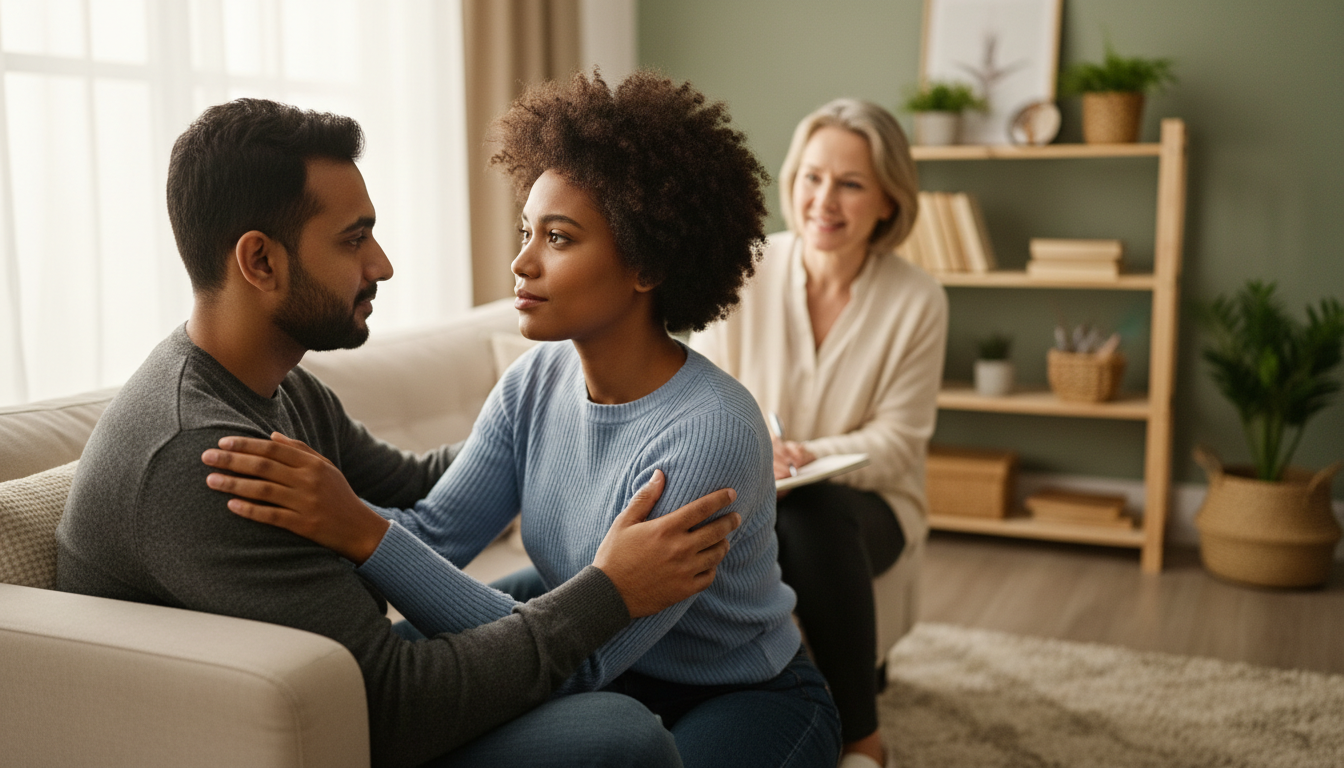
Couples counseling, often referred to as marriage counseling or couples therapy, is a form of psychotherapy designed to help partners improve their relationships. Whether you're facing significant challenges or simply seeking to strengthen your bond, counseling can offer valuable insights and strategies.
Through guided sessions with a trained therapist, couples can explore their dynamics and work on resolving issues. The primary objective is to foster a healthier, more fulfilling partnership.
When to Consider Couples Counseling
Many people believe that counseling is only for relationships in crisis. However, it can be beneficial at various stages of a relationship. Here are some signs that it might be time to seek professional help:
- Frequent arguments or ongoing conflict
- Communication breakdowns
- Feelings of disconnection or loneliness
- Trust issues or infidelity
- Significant life changes impacting the relationship
Addressing these issues early can prevent further deterioration and promote a healthier relationship.
The Process of Couples Counseling
During the initial sessions, the therapist will usually gather background information to understand the couple's history and individual perspectives. This helps in tailoring the sessions to address specific needs.
As therapy progresses, couples will learn to communicate more effectively, understand each other's needs, and develop problem-solving skills. The therapist acts as a mediator to facilitate productive discussions.

Benefits of Couples Counseling
Engaging in couples counseling can lead to numerous positive outcomes, including:
- Improved communication and understanding
- Enhanced emotional intimacy
- Resolution of past conflicts
- Stronger connection and commitment
Counseling can also provide tools and techniques to navigate future challenges, ensuring long-term relationship success.
Choosing the Right Therapist
Selecting a qualified therapist is crucial for effective couples counseling. Look for professionals with experience in relationship therapy and relevant certifications. It's also important to find someone both partners feel comfortable with, as trust is essential for open communication.
Many therapists offer an initial consultation, which can be a great opportunity to determine if they're the right fit for your needs.

Commitment to the Process
For couples counseling to be successful, both partners need to be committed to the process. This involves attending sessions regularly, being open to change, and actively participating in exercises and discussions.
Patience and persistence are key, as building a stronger relationship takes time and effort. By investing in your partnership, you can create a more satisfying and enduring connection.