
Debunking Common Myths About Virtual Mental Health Support Groups


In recent years, virtual mental health support groups have gained popularity as a convenient and accessible way for individuals to connect and share their experiences. Despite their growing use, several myths persist about their effectiveness and reliability. Let's dive into some of these common misconceptions and set the record straight.
Myth 1: Virtual Support Groups Are Impersonal
One of the most widespread myths is that virtual support groups lack the personal touch found in face-to-face interactions. However, many participants find that virtual settings allow them to open up more freely. The comfort of being in one's own space can actually enhance openness and honesty. Facilitators are trained to create a warm and welcoming environment, ensuring that personal connections are made.

Moreover, virtual platforms often offer features like chat rooms and breakout sessions that encourage deeper interactions. These tools help replicate the intimacy of in-person meetings, making virtual groups just as effective.
Myth 2: They Are Not As Effective As In-Person Groups
Another common belief is that virtual support groups are less effective than their in-person counterparts. However, studies show that the efficacy of support groups is largely dependent on the quality of facilitation and the commitment of participants, rather than the medium used. Virtual groups offer the same structured support and guidance as in-person groups, often with added flexibility.

Participants can join from anywhere, removing geographical barriers and enabling access to a wider range of perspectives and experiences, which can enrich the group dynamic.
Myth 3: Privacy Concerns Are a Major Issue
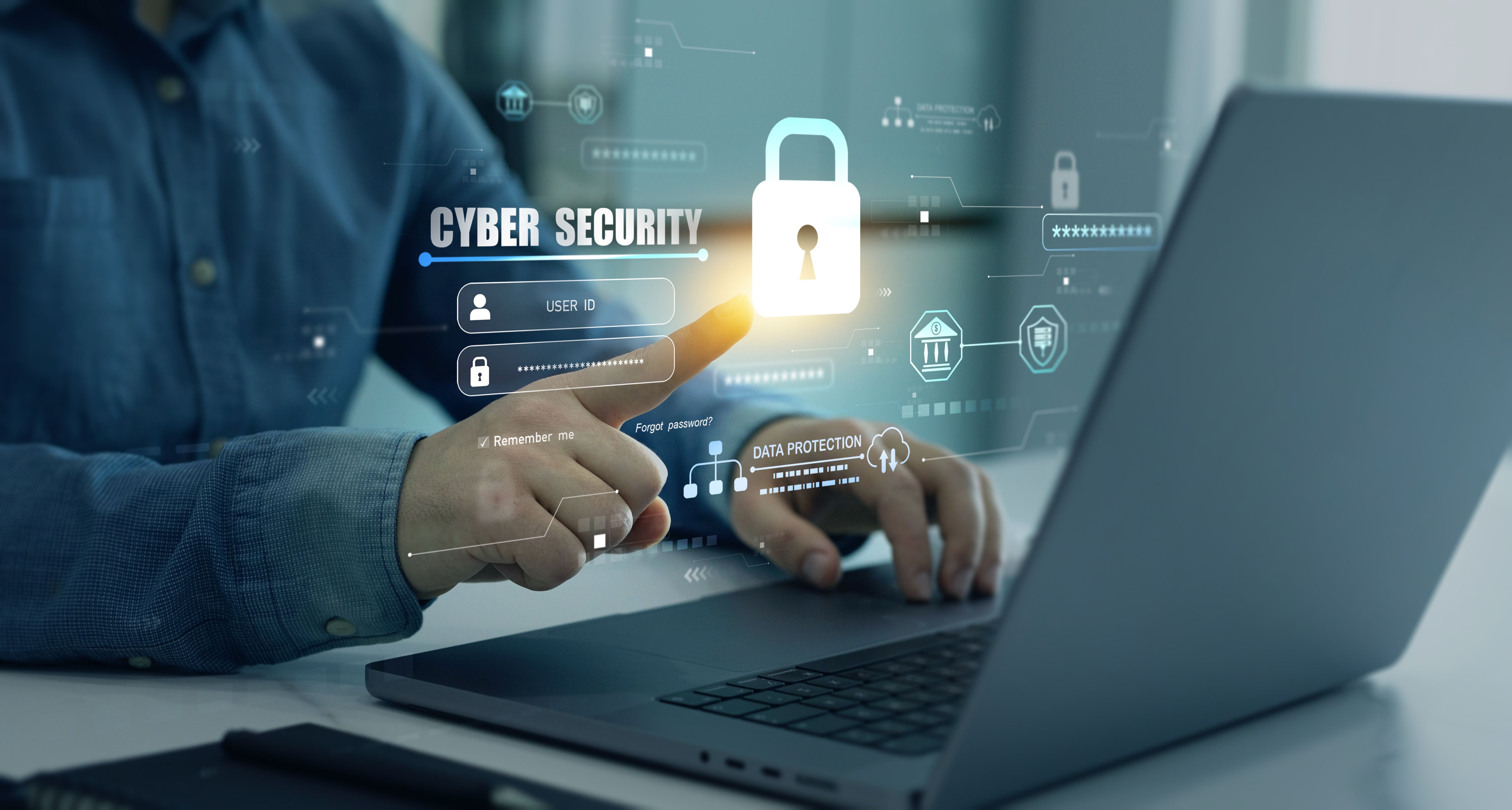
Concerns about privacy and confidentiality in virtual support groups are understandable, but modern platforms prioritize security. Many use end-to-end encryption and require participants to adhere to strict confidentiality agreements. Facilitators also take additional measures to ensure that the virtual space remains a safe and private environment.
Participants are encouraged to use pseudonyms if they feel more comfortable, and most platforms allow for anonymous participation to further protect identities.
Myth 4: They Are Only for Tech-Savvy Individuals
There's a misconception that virtual support groups are only for those who are comfortable with technology. In reality, these platforms are designed to be user-friendly and accessible to people of all technological skill levels. Facilitators often provide guidance and technical support to help participants navigate the platform with ease.
Additionally, many support groups offer tutorials or introductory sessions to familiarize new members with the technology, ensuring that everyone can participate fully without tech-related stress.
Myth 5: Virtual Groups Lack Structure
Some people worry that virtual groups lack the structure and focus of in-person meetings. However, virtual support groups typically follow a set agenda and are led by trained facilitators who ensure that the sessions remain productive and supportive. This structure is crucial in maintaining the focus and effectiveness of the group.
Facilitators set clear guidelines and goals for each session, providing a consistent framework that helps participants stay engaged and focused on their mental health journey.

In conclusion, virtual mental health support groups are a valuable resource that offers flexibility, accessibility, and a safe space for individuals seeking support. By debunking these common myths, we can better understand the true potential of virtual support and make informed decisions about our mental health care options.