
Navigating Anxiety: How to Select the Right Therapist in Raleigh


Understanding Anxiety and the Need for Therapy
Anxiety is a common mental health challenge that many people face at some point in their lives. Whether it's a result of stress, past trauma, or other factors, finding effective ways to manage anxiety is crucial for maintaining overall well-being. One of the most effective methods for managing anxiety is through therapy. In Raleigh, there are numerous therapists available, but selecting the right one can be daunting.

Identifying Your Needs
The first step in finding the right therapist is to clearly identify your needs. Are you dealing with generalized anxiety, panic attacks, or social anxiety? Understanding the specifics of your condition can help narrow down the options. Consider whether you prefer a therapist who specializes in cognitive-behavioral therapy (CBT), mindfulness, or another specific method.
Setting Your Goals
Before you begin your search, it’s helpful to set clear goals for what you hope to achieve through therapy. Are you looking to reduce your anxiety symptoms, improve your coping strategies, or explore underlying issues? Having clear objectives can guide your choice of therapist and therapy style.

Researching Potential Therapists
Once you have a clear understanding of your needs and goals, it's time to research potential therapists in Raleigh. Start by asking for recommendations from friends, family, or healthcare providers. Additionally, online directories and reviews can provide valuable insights into the experiences of other patients.
Checking Credentials and Experience
When considering a therapist, it's important to check their credentials and experience. Ensure they are licensed and have experience working with anxiety-related issues. Many therapists have online profiles that outline their qualifications, areas of expertise, and therapeutic approaches.
The Initial Consultation
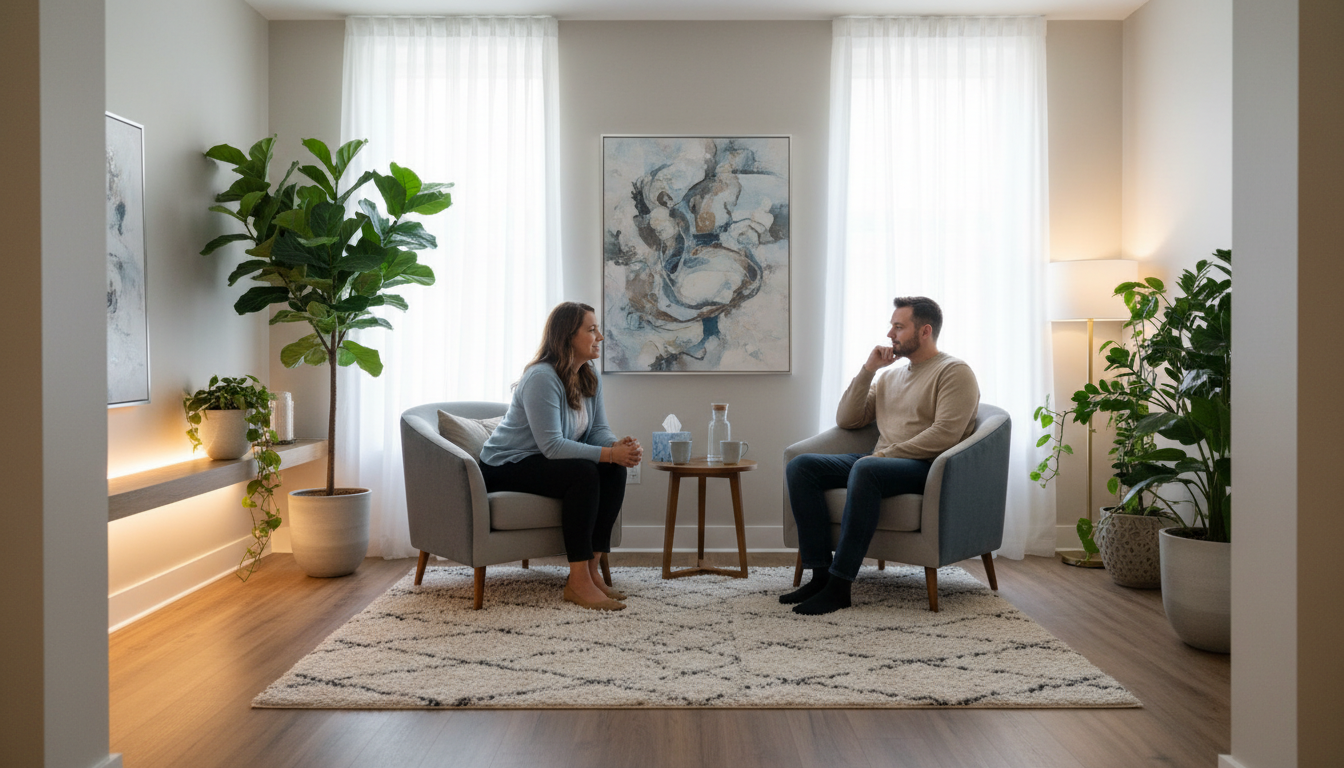
Once you have a shortlist of potential therapists, schedule initial consultations. This first meeting is an opportunity to assess whether the therapist is a good fit for you. Pay attention to how comfortable you feel with them and whether they listen and respond to your concerns effectively.
Questions to Ask
During the consultation, don't hesitate to ask questions. Consider asking about their experience with anxiety disorders, their approach to treatment, and what a typical session might look like. This will help you gauge whether their style aligns with your expectations.
Making Your Decision
After meeting with potential therapists, take some time to reflect on which one felt right for you. Trust your instincts and choose someone you feel comfortable with. Remember, therapy is a collaborative process, and having a strong therapeutic relationship is key to success.
Monitoring Your Progress
Once therapy begins, it's important to monitor your progress. Keep track of changes in your anxiety levels and any improvements in your coping strategies. Regularly assess whether the therapy is meeting your goals and be open to discussing any concerns with your therapist.
Being Open to Change
Sometimes, you might find that your initial choice of therapist isn’t the perfect fit, and that's okay. It's important to be open to change and willing to explore other options if necessary. The ultimate goal is to find a therapeutic environment where you feel supported and understood.