
Overcoming Seasonal Affective Disorder: Tips from Raleigh Therapists


As the days get shorter and the temperatures drop, many people find themselves feeling more lethargic and down than usual. This seasonal shift can often lead to Seasonal Affective Disorder (SAD), a type of depression that occurs at a specific time of year, usually in the winter. Fortunately, Raleigh therapists have shared some effective strategies to help individuals overcome these seasonal blues.

Understanding Seasonal Affective Disorder
SAD is more than just the winter blues. It's a legitimate mental health condition that can significantly impact daily life. Symptoms often include fatigue, depression, hopelessness, and social withdrawal. These symptoms typically start in the fall and continue through the winter months, draining energy and making one feel moody.
Experts believe that SAD may be related to changes in light exposure, which can affect the body's internal clock and serotonin levels. Understanding these underlying causes is crucial in addressing and mitigating the symptoms.
Light Therapy: A Bright Solution
One of the most recommended treatments for SAD is light therapy. This involves sitting in front of a light therapy box that mimics natural sunlight, which can help regulate mood and improve sleep patterns. Raleigh therapists suggest using the light box for about 20-30 minutes each morning.
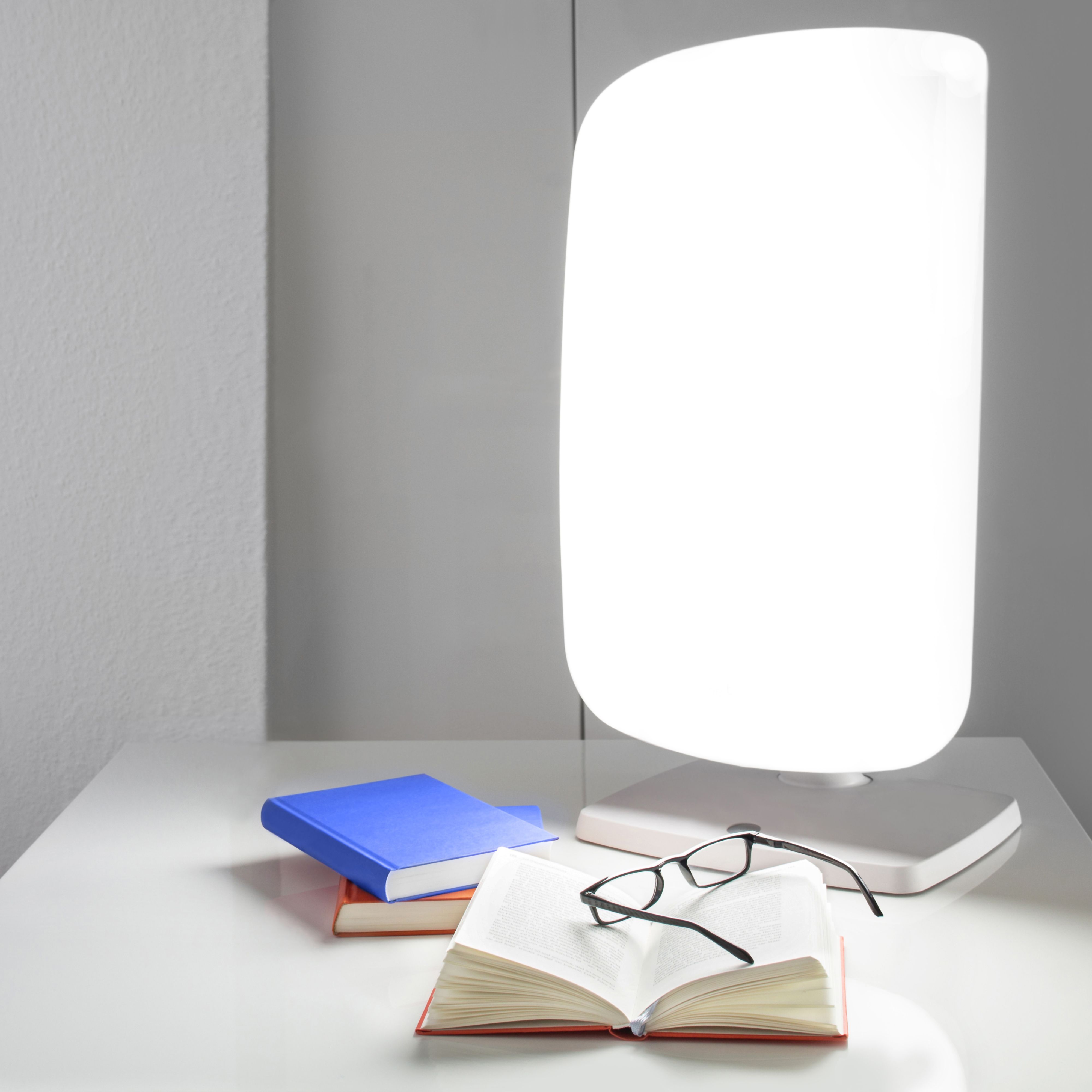
It's important to choose a light therapy box that is safe and effective. Look for one that emits as little UV light as possible and consult with a healthcare professional to ensure it’s suitable for your needs.
Stay Active and Engaged
Exercise is a powerful tool against depression, including SAD. Regular physical activity can boost serotonin, endorphins, and other feel-good brain chemicals. Even a daily walk in the park or a quick home workout can make a significant difference.
- Join a local gym or yoga class to stay motivated.
- Try outdoor activities like hiking or cycling when weather permits.
- Consider indoor options like dance classes or at-home workouts.

Mindfulness and Relaxation Techniques
Mindfulness practices, such as meditation and deep-breathing exercises, can help manage stress and improve overall mood. Raleigh therapists often recommend incorporating these practices into daily routines to combat SAD symptoms.
Additionally, engaging in relaxing activities like reading, journaling, or listening to music can provide a mental escape and promote a sense of calm.
Seek Professional Help
If SAD symptoms persist and interfere with daily life, it may be time to seek professional help. Therapists in Raleigh are equipped to offer cognitive-behavioral therapy (CBT), which has been shown to effectively treat SAD by changing negative thought patterns.

Don't hesitate to reach out to a mental health professional if you need support. Early intervention can make a significant difference in managing SAD.
Conclusion: Embrace the Season
While Seasonal Affective Disorder can be challenging, understanding and implementing these strategies can help you navigate the winter months with greater ease. Embrace the season by staying active, using light therapy, practicing mindfulness, and seeking professional guidance when needed. With the right approach, you can overcome the challenges of SAD and enjoy all that each season has to offer.